Delhi is the kind of city that reveals itself slowly. At first glance, it can feel overwhelming—crowded streets, centuries-old monuments sitting beside glass towers, and the constant hum of people going somewhere. But spend a little time here and the rhythm becomes familiar. Markets spill into narrow lanes, the smell of street food drifts through the air, and history quietly appears around every corner. For many travellers, Delhi is not just a stop on the way to other destinations; it becomes an experience in itself.
A City Where History Is Everywhere
Delhi’s greatest charm lies in the way it blends the past with the present. Walk through the city and you’ll find reminders of different eras layered one on top of another. Mughal architecture, colonial buildings, modern cafés and metro stations all coexist in the same landscape.
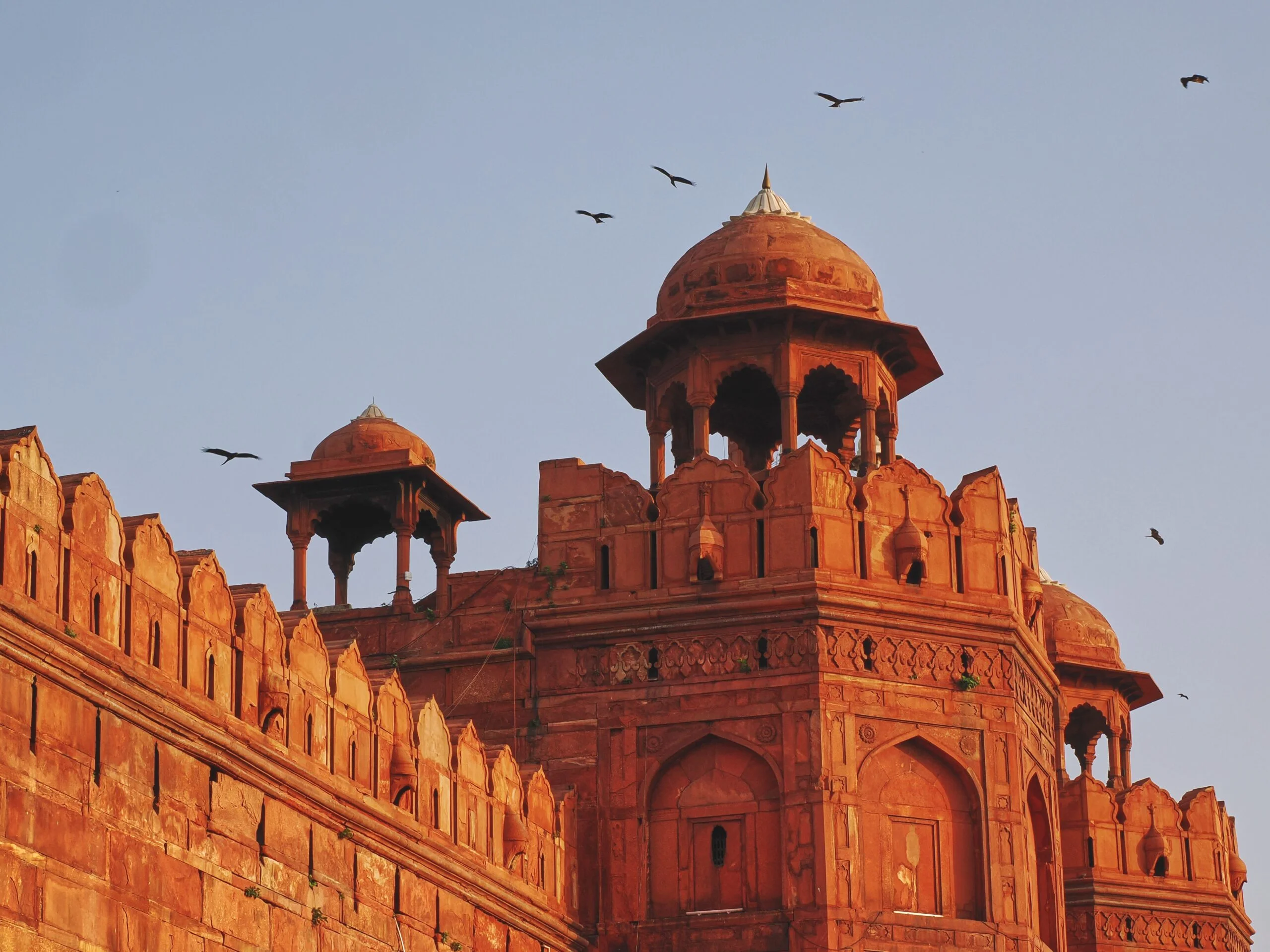
One of the most iconic places to begin exploring is Red Fort. Built in the 17th century by Mughal emperor Shah Jahan, the fort once served as the main residence of the Mughal rulers. Today, its massive red sandstone walls stand as a powerful reminder of Delhi’s imperial past.
Not far away stands another symbol of the city, India Gate. This war memorial is dedicated to soldiers who lost their lives during World War I. In the evenings, the area around it fills with families, street vendors and visitors enjoying a relaxed walk along the wide boulevard of Rajpath.
For travellers interested in architecture and history, Qutub Minar is another must-see. Towering over the surrounding ruins, this 12th-century minaret remains one of the tallest brick structures in the world and offers a glimpse into the early days of Delhi’s medieval kingdoms.
You Might Like: Delhi Places That Feel Like Stories You Can Walk Through
The Markets That Define the City
If monuments show you Delhi’s past, its markets reveal its everyday life. Few places capture the city’s energy better than Chandni Chowk. Located in the heart of Old Delhi, this centuries-old market is a maze of narrow lanes packed with spice shops, fabric stores, jewellery sellers and street food stalls.
Wandering through Chandni Chowk is less about following a map and more about letting curiosity lead the way. You might start in the famous spice market, pass through rows of wedding clothing stores, and suddenly find yourself in a lane filled with sweets and snacks.
For a different experience, head to Khan Market. Known for its cafés, bookstores and boutique stores, it has a quieter, more polished atmosphere. It’s a good place to pause during a busy day of sightseeing, grab a coffee and watch the steady flow of locals and visitors passing by.
Another popular spot is Sarojini Nagar Market, famous for its affordable fashion finds. It’s often crowded, but that’s part of the charm. Bargaining, browsing and discovering unexpected deals are all part of the experience.
Related Articles: What to Wear in Delhi NCR
Delhi’s Unforgettable Food Scene
No visit to Delhi is complete without exploring its food. The city has long been known as one of India’s culinary capitals, where recipes from different regions come together in one place.
Old Delhi, especially around Chandni Chowk, is often considered the heart of the city’s street food culture. Small stalls and family-run shops serve dishes that have been perfected over generations. Crispy snacks, rich curries, sweet desserts and freshly baked breads are all part of the daily rhythm here.
For some of Delhi’s most famous dishes, many travellers make their way to Karim’s. Established more than a century ago, the restaurant is known for traditional Mughlai dishes that reflect Delhi’s royal culinary heritage.
If you’re curious about Delhi’s famous chaat—flavourful street snacks combining sweet, tangy and spicy tastes—then Natraj Dahi Bhalla is often recommended. Its creamy dahi bhalla has become a local favourite over the years.
Beyond traditional street food, Delhi also offers a growing café culture. Neighbourhoods such as Hauz Khas Village and Connaught Place are filled with modern cafés, bakeries and restaurants where travellers can take a break from sightseeing.
The Spirit of the City
What makes Delhi memorable isn’t just its landmarks or food—it’s the atmosphere. The city is constantly moving, always layered with stories from different times. A morning might begin with quiet gardens around a historic monument and end with a lively evening in a market filled with lights, music and conversation.
For travellers visiting India, Delhi often becomes their first introduction to the country’s diversity and scale. It can feel chaotic at times, but that energy is also what gives the city its character. Once you settle into its pace, Delhi begins to feel less like a destination and more like a living narrative that continues to unfold with every street you explore.
Whether you’re walking through centuries-old monuments, bargaining in a busy market, or tasting street food for the first time, Delhi leaves visitors with one clear impression: there is always more to discover.
Read More: Best Cafés in Delhi NCR