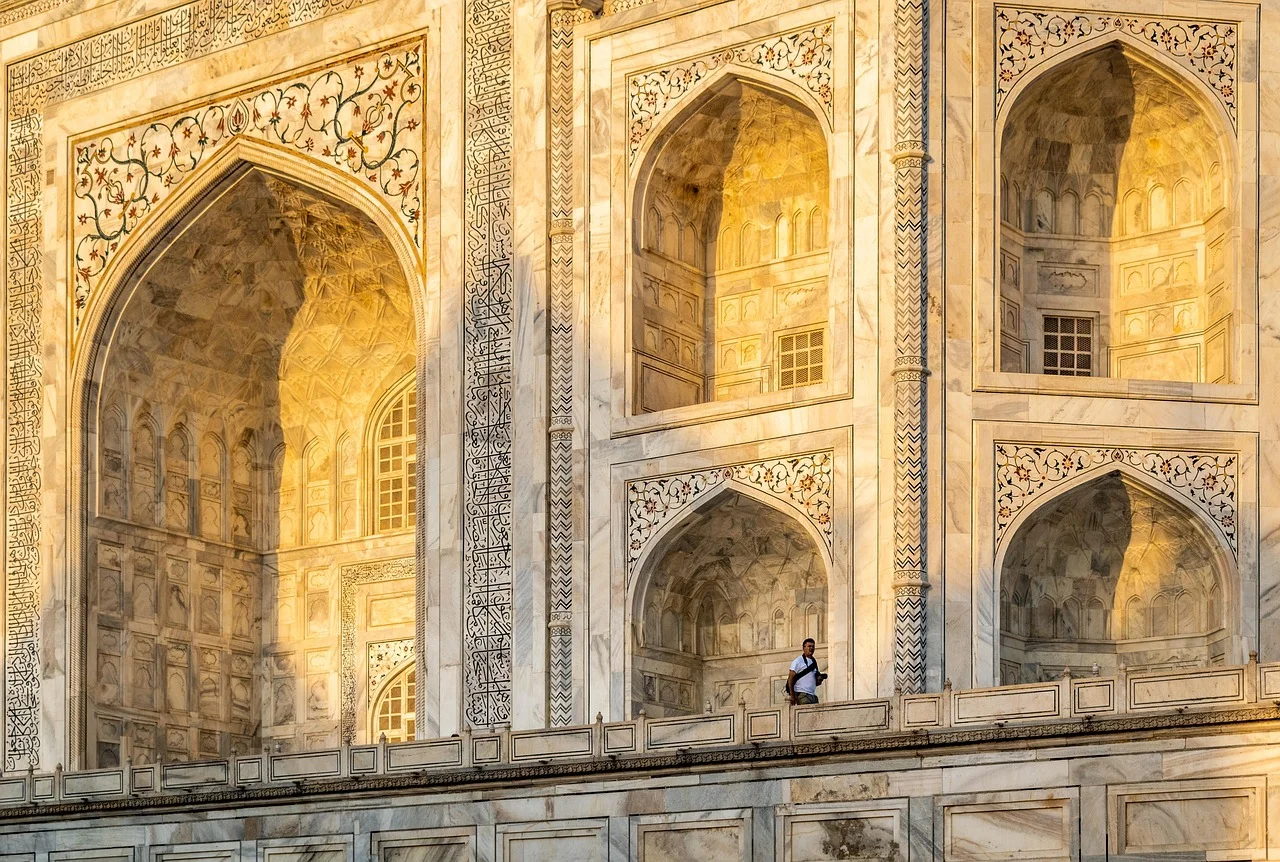
For many travellers visiting India, Agra is synonymous with one extraordinary landmark: the Taj Mahal. The white marble monument draws millions of visitors every year, and for good reason. Its architecture, history, and symbolism make it one of the most famous buildings in the world.
But Agra is far more than a single monument. Spend a little extra time in the city and you’ll begin to notice another side of it—busy markets filled with local crafts, historic neighbourhoods that echo with stories from the Mughal era, and a food culture that quietly reflects centuries of royal influence. For travellers willing to look beyond the Taj Mahal, Agra offers a surprisingly rich experience.
A City Shaped by History
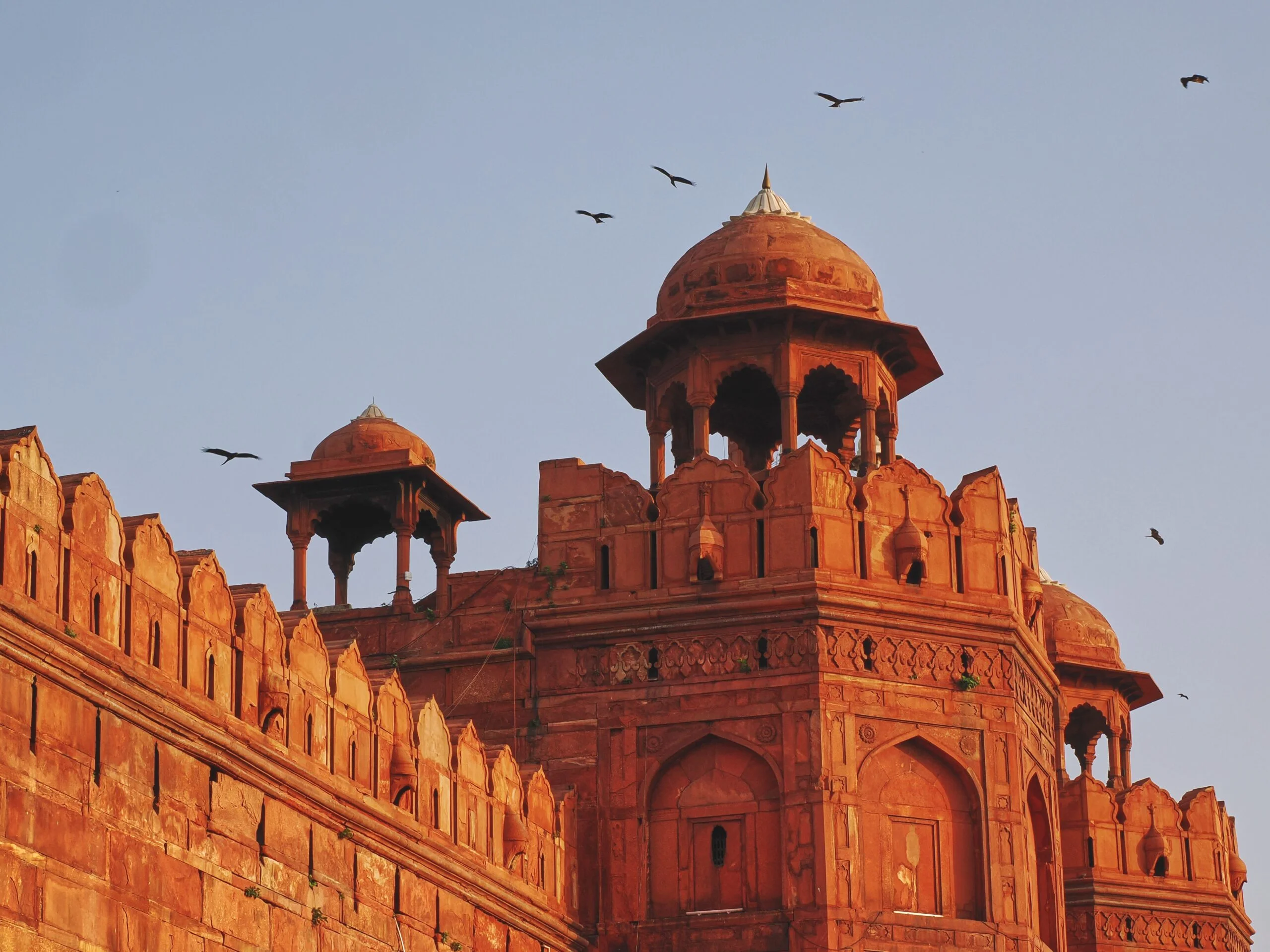
Long before it became a popular tourist destination, Agra served as one of the main capitals of the Mughal Empire. This history is still visible throughout the city. Not far from the Taj Mahal stands Agra Fort, a massive red sandstone fortress that once housed emperors and royal courts.
Inside its walls are palaces, gardens, and courtyards that offer a glimpse into how the Mughal rulers lived centuries ago. From certain viewpoints, visitors can even see the Taj Mahal in the distance, creating a powerful connection between two of the city’s most important landmarks.
Another quieter but fascinating site is Itmad-ud-Daulah. Often called the “Baby Taj,” this elegant marble tomb is known for its delicate stone inlay work and peaceful garden setting. Compared to the crowds at the Taj Mahal, the atmosphere here feels calm and reflective.
Exploring Agra’s Markets
Beyond its historic monuments, Agra is also known for its lively markets. These are the places where everyday life unfolds and where travellers can discover the city’s traditional crafts.
One of the most popular shopping areas is Sadar Bazaar. The market is especially lively in the evening, when streets fill with food stalls, clothing shops, and small stores selling leather goods, handicrafts, and souvenirs.
Agra has long been famous for its marble artistry, and many shops near the Taj Mahal sell decorative items made using the same inlay techniques seen on the monument itself. These delicate designs—often made with coloured stones set into white marble—are a reflection of the craftsmanship that flourished during the Mughal era.
Another interesting place to explore is Kinari Bazaar. The narrow lanes are lined with shops selling textiles, jewellery, spices, and wedding accessories. Walking through the market is less about shopping and more about experiencing the vibrant rhythm of local life.
The Flavours of Agra
Food is another part of the city that often surprises visitors. Agra’s cuisine has been influenced by its Mughal history, resulting in dishes that are rich, aromatic, and deeply satisfying.
One of the city’s most iconic restaurants is Peshawri, known for its North Indian dishes cooked in traditional clay ovens. The menu focuses on slow-cooked flavours, hearty breads, and robust spices that reflect the culinary traditions of the region.
Street food also plays an important role in Agra’s food culture. In markets and busy neighbourhoods, small vendors serve snacks like chaat, kachori, and freshly fried sweets.
Perhaps the most famous local delicacy is petha, a translucent sweet made from ash gourd. Shops such as Panchi Petha have become well known for producing different variations of the dessert, from classic plain petha to versions flavoured with saffron or rose.
Trying petha is almost a tradition for visitors leaving the city, and many travellers carry boxes of it home as gifts.
Quiet Corners of the City
While Agra’s main attractions can be busy, the city also has peaceful spaces that allow visitors to slow down and take in the surroundings.
One such place is Mehtab Bagh, located directly across the river from the Taj Mahal. The garden offers one of the best views of the monument, especially at sunset, when the marble reflects soft golden light.
Unlike the crowded main entrance of the Taj Mahal, Mehtab Bagh feels calm and spacious. It’s a reminder that sometimes the best way to appreciate a famous landmark is to step back and see it from a different perspective.
Discovering the Real Agra
For many travellers, Agra initially feels like a city built around a single destination. But once you start exploring its streets, markets, and food spots, it quickly becomes clear that there is much more to discover.
The combination of Mughal history, traditional crafts, lively bazaars, and local cuisine creates a city with layers of stories waiting to be uncovered.
Visiting the Taj Mahal will always be the highlight of any trip to Agra. But staying a little longer—long enough to wander through markets, try local dishes, and explore quieter monuments—reveals a richer and more personal side of the city.
And in the end, that deeper experience is often what travellers remember most.